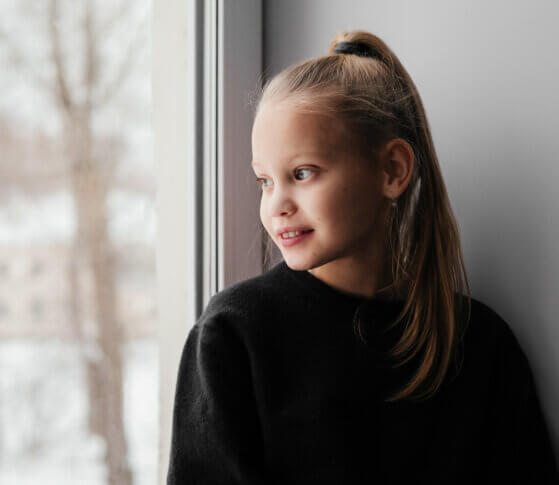
Lets try and understand Christmas through a neurodiverse lens…
Neurodiverse children and young people experience the world differently. Bright flashing lights, strong smells, unfamiliar foods and sudden changes to daily routines can cause anxiety or distress. Social expectations, such as large family gatherings or unfamiliar visitors, can also be challenging.
This doesn’t mean neurodiverse children and young people don’t enjoy Christmas — it means they may enjoy it in their own way. For some, joy might look like a quiet moment opening one carefully chosen gift. For others, it may be spending time engaging in a special interest, enjoying a familiar routine, or just feeling understood and accepted.
Small changes, big impact
An inclusive Christmas doesn’t have to be complicated. Simple, thoughtful adjustments can make a huge difference, such as:
· Offering quiet spaces at events
· Avoiding pressure to participate in traditional activities
· Giving advance notice of plans and schedules
· Respecting communication differences
· Celebrating Christmas in ways that feel right for each individual
When we focus on inclusion, we create a festive season where autistic children and young people can feel comfortable being themselves.